
With the new Chips Act 2.0, the European Commission aims to additionally strengthen the semiconductor industry in Europe in order to reduce its dependence on third countries, stimulate investments and protect the EU’s competitiveness in the global technological race.
Microchips are actually practically indispensabe. They can be found in household appliances, smart phones, cars, wind turbines, industrial plants and artificial intelligence data centres. Modern agriculture, medical technology and defense systems are also heavily dependent on high performance semiconductors. Therefore, chips are among the most strategically important technologies worldwide.
The pandemic evidently demonstrated how vulnerable are global supply chains. The slowdown of production in Asia caused shortages all over Europe- mainly in the automotive industry. Vehicles often could not be delivered due to the missing individual semiconductors. The global semiconductor market is currently growing rapidly, driven primarly by the boom of the artificial intelligence. According to the European Commission data, the global market is expected to come to a volume of approximately Eur 1.37 trillion by 2030, with about 70 percent of the growth linked to atrificial intelligence applications. High-performance chips are therefore the basis of modern AI systems, cloud services, autonomous vehicles and industrial robotics.
Consequently, one of the the key priorities in Europe will be regional development policy, where the EU Commission tries to stimulate the regions, positioned as centers of semiconductors.
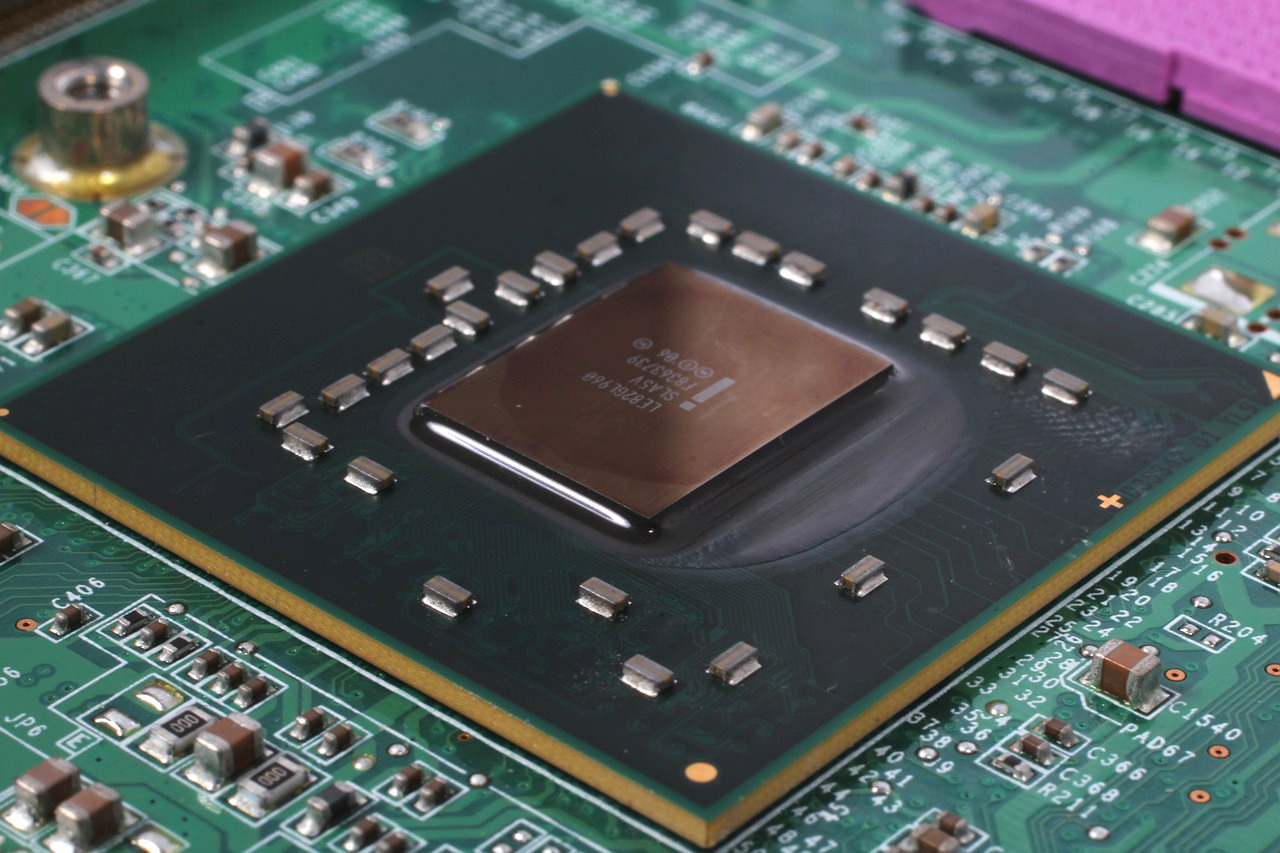
Photo: pixabay