The European Union enters 2026 amid a tense landscape of foreign policy challenges that shape both its strategic position and its capacity to act internationally. In the Arctic, Eastern Europe, and the Middle East, Brussels and the Member States must demonstrate their ability to act effectively.
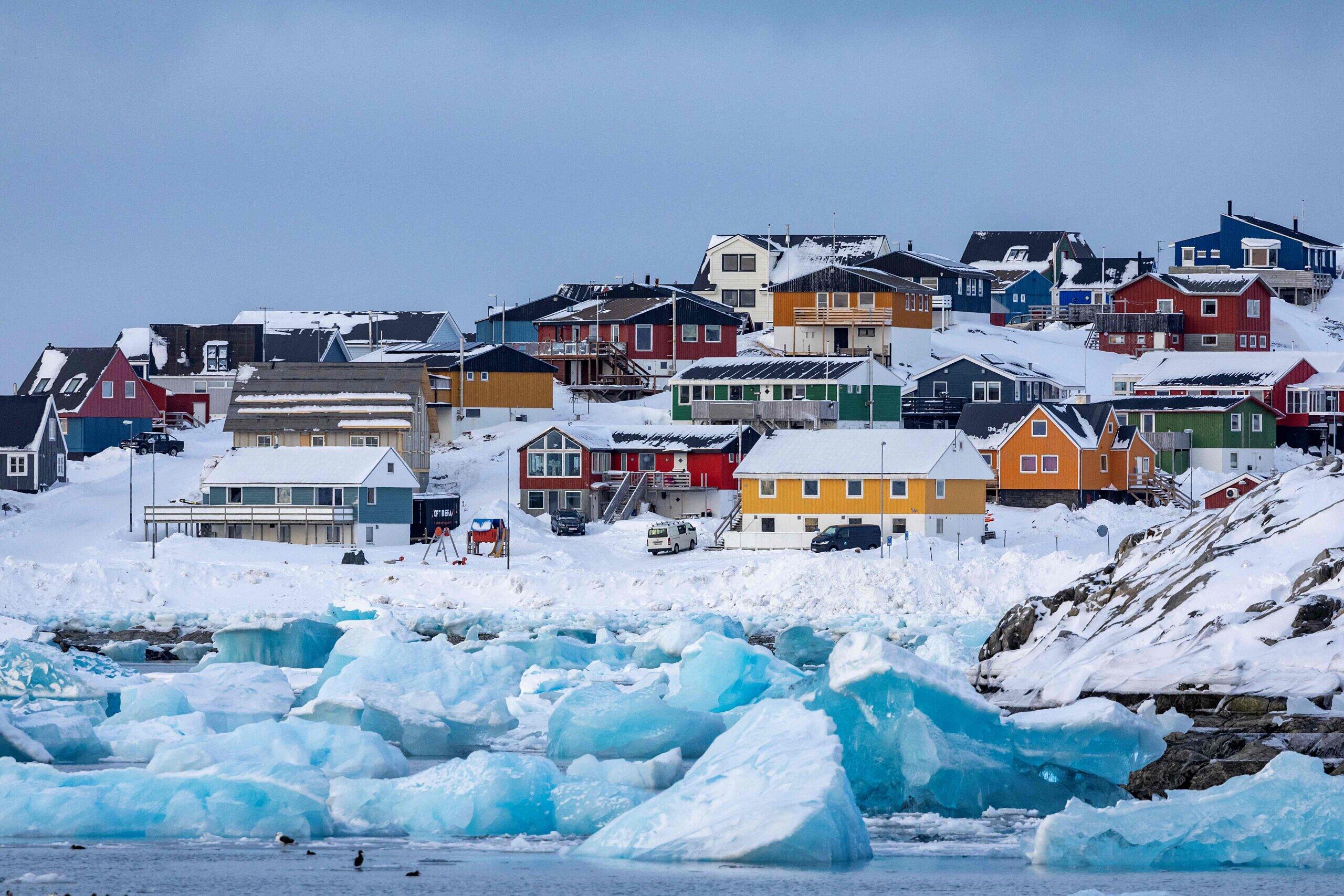
The debate over Greenland has gained renewed momentum. President Donald Trump publicly pointed to the strategic importance of the Arctic island, once again raising the issue of U.S. claims to political and security influence. Europe responded promptly: the Greenlandic government and Denmark stated unanimously that Greenland is not for sale and that its defense remains the responsibility of multilateral structures such as NATO.
In Eastern Europe, Russia’s war against Ukraine remains the central test for Europe. Relations between the EU and Iran also remain tense. This is due to ongoing human rights violations as well as the actions taken by Iranian authorities against protests within the country.
Overall, it is clear that at the beginning of 2026 the European Union is facing foreign policy challenges on multiple levels simultaneously. While extensive financial and security measures are at the forefront in the case of Ukraine, the EU continues to rely on restrictive instruments in its approach toward Iran. In the Arctic, by contrast, it primarily pursues a stability-oriented and rules-based approach. All three areas highlight how diverse the foreign policy challenges are that the EU currently has to address.